
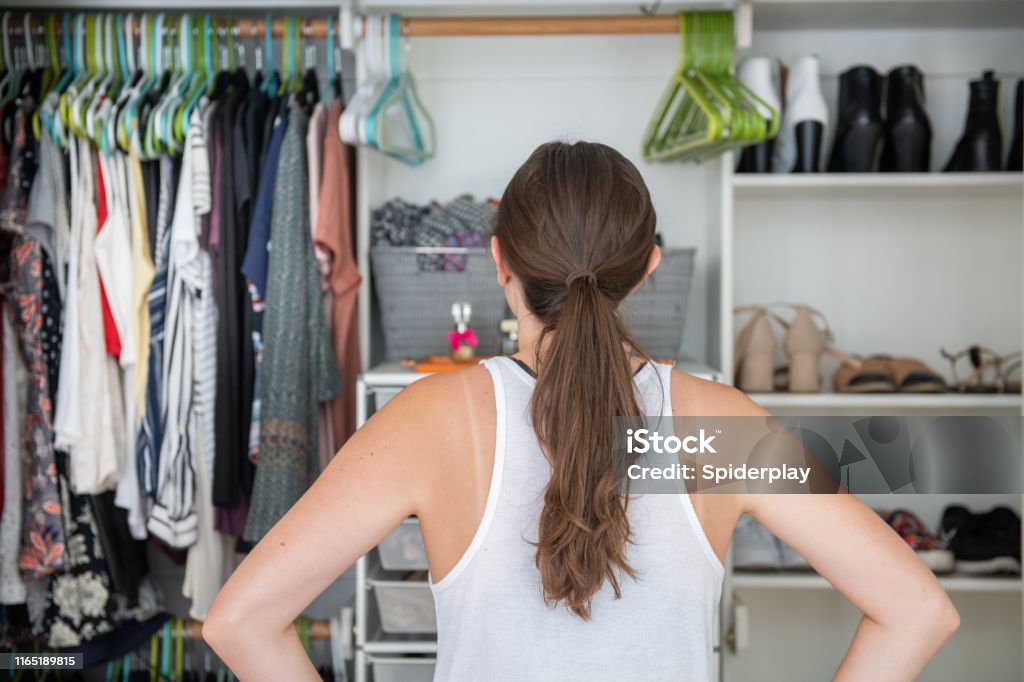

Open your closet. Is it overflowing with clothes you never wear? Do you still feel like you have “nothing to put on”? You are not alone. The average person wears only 20% of their wardrobe 80% of the time. The rest just takes up space.
The solution is not buying more. It’s buying less – but better. Enter the capsule wardrobe.
What Is a Capsule Wardrobe?
A capsule wardrobe is a small, curated collection of versatile clothing pieces that you love and can mix-and-match to create many different outfits. The number varies, but most capsules contain 30 to 40 items per season, including shoes and accessories.
The concept was invented in the 1970s by London boutique owner Susie Faux, then popularized in the 1980s by designer Donna Karan. It has recently resurged as a response to fast fashion overload.
Why Build a Capsule Wardrobe?
| Problem | Capsule Solution |
|---|---|
| Decision fatigue | Fewer choices mean faster, easier dressing |
| Closet clutter | Every item has a purpose and place |
| Wasted money | You stop buying cheap, disposable clothes |
| Environmental guilt | Less consumption means lower carbon footprint |
| “Nothing to wear” | Everything goes with everything |
The Core Pieces: A Starter List
Every capsule looks different because personal style matters. But most successful capsules include these versatile basics:
Tops (8-10)
- 2 plain white or cream t-shirts
- 2 neutral blouses (black, navy, beige)
- 2 striped or simple print tops
- 1 lightweight sweater
- 1 chunky knit (cold weather) or linen shirt (warm weather)
Bottoms (4-6)
- 1 pair of well-fitting jeans (dark wash)
- 1 pair of tailored trousers or chinos
- 1 skirt (midi length is most versatile)
- 1 pair of shorts (seasonal)
Dresses & Jumpsuits (2-3)
- 1 little black dress (can be casual or dressy)
- 1 casual day dress or jumpsuit
Outerwear (3-4)
- 1 classic blazer
- 1 denim or leather jacket
- 1 trench or wool coat (seasonal)
- 1 rain jacket
Footwear (4-5)
- 1 pair of neutral sneakers (leather or canvas)
- 1 pair of flat loafers or ballet flats
- 1 pair of ankle boots
- 1 pair of sandals (warm weather) or weather boots (cold)
- 1 pair of dressier shoes (heels or oxfords)
Accessories (3-5)
- 1 leather belt
- 1 everyday bag (neutral, medium size)
- 1 scarf or hat
- Simple jewelry (watch, small earrings)
How to Build Your Own Capsule
Step 1: Audit your current wardrobe
Empty your closet. Try everything on. Keep only what fits well, feels good, and matches at least three other items. Donate or sell the rest.
Step 2: Identify gaps
Compare what you kept to the starter list above. What’s missing? What’s redundant?
Step 3: Choose a neutral color palette
Pick 2-3 base neutrals (black, navy, beige, grey, white) and 1-2 accent colors (olive, burgundy, mustard, blush). Every piece should work with at least two others.
Step 4: Focus on quality, not quantity
Save up for better fabrics (cotton, wool, linen, silk) and construction. Cheap clothes wear out quickly, which defeats the purpose. You don’t need designer – mid-range brands with good materials work fine.
Step 5: Shop with a list
Never buy on impulse. Every new item must fill a specific gap and work with at least three existing pieces. For each new item, remove one old item (one in, one out).
Common Myths Debunked
- “A capsule wardrobe is boring.” – Boring is repetitive cheap trends. A capsule uses texture, silhouette, and accessories to create variety. The constraint actually sparks creativity.
- “I could never own only 30 items.” – Start with 60. Then 50. Then 40. Minimalism is a spectrum. The goal is intention, not an exact number.
- “Capsules only work for minimalists.” – Even maximalists benefit from a core of basics. You can still own bold prints and statement pieces – just keep them as accents, not the foundation.
The Bottom Line
A capsule wardrobe is not about deprivation. It’s about clarity. When you own only what you truly love and actually wear, getting dressed becomes a pleasure, not a chore. You save money. You save time. You waste less. And ironically, by owning fewer clothes, you end up looking more stylish – because everything fits, everything coordinates, and everything feels like you.
So close your closet door. Take everything out. And start over – with less, but better.