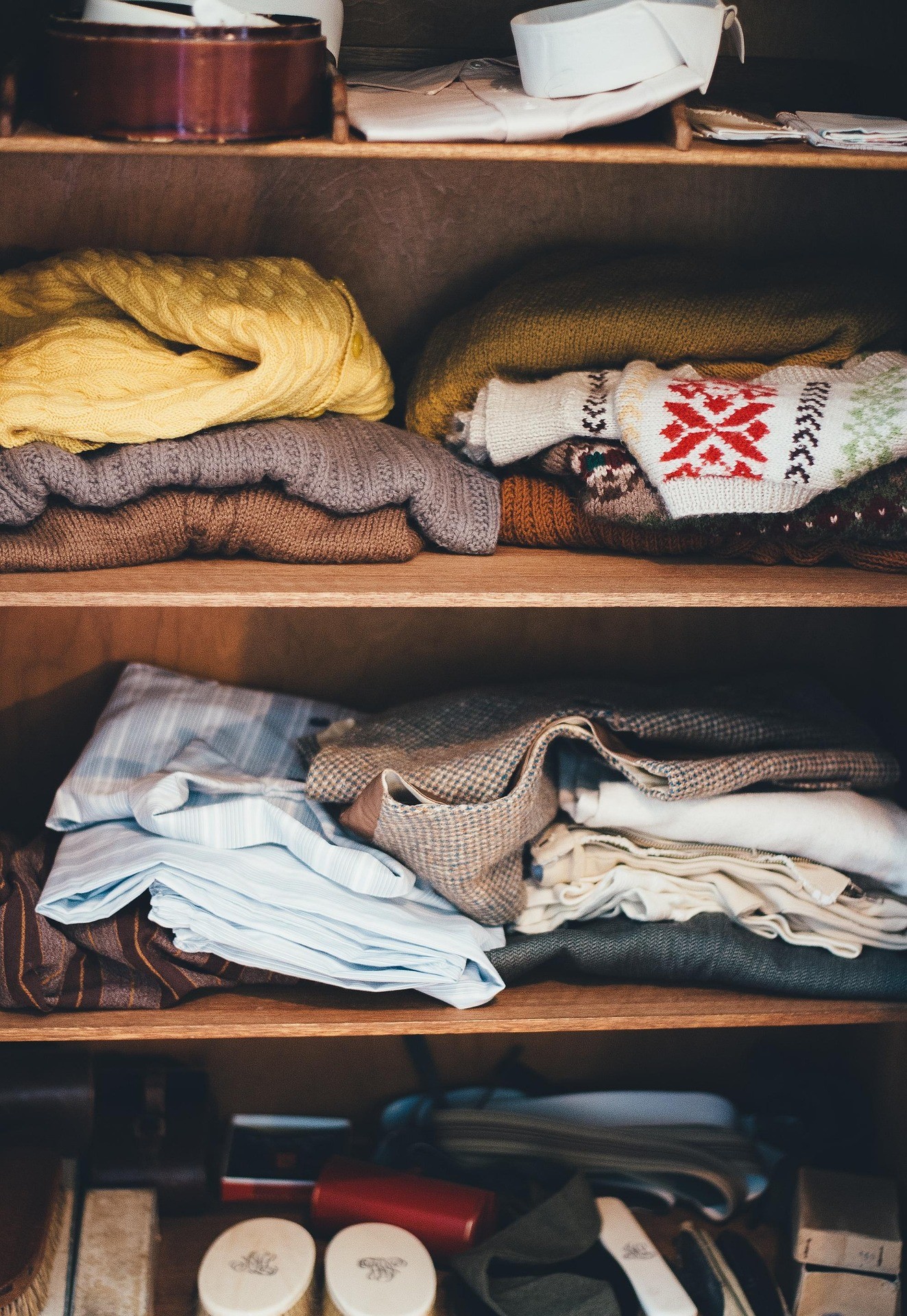
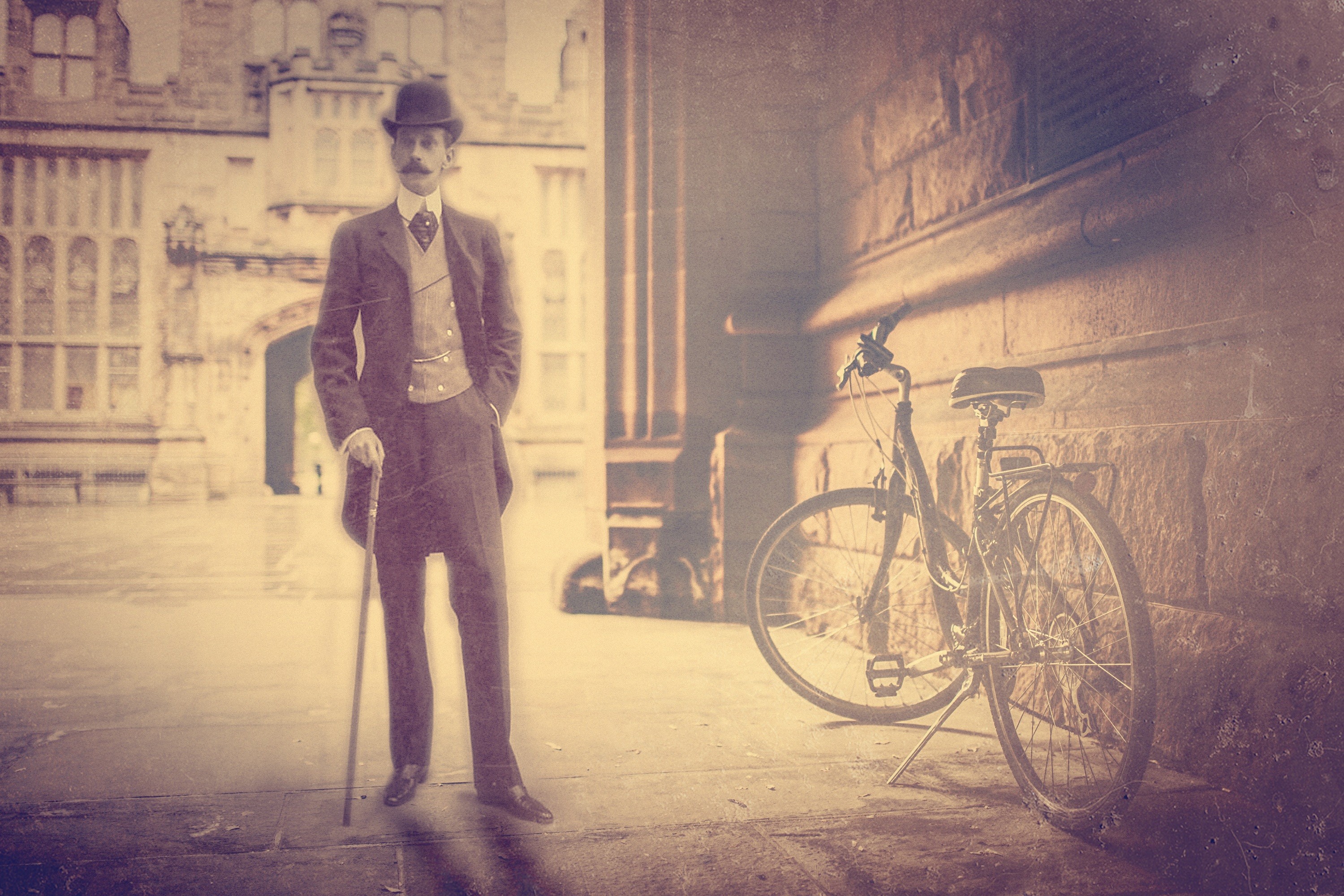

Look at old photographs from the 1950s or 1960s. Even ordinary people — not movie stars, not the wealthy — looked put together. Their clothes fit properly. The fabrics had weight and texture. A jacket lasted decades.
Now open your own closet. How many of those shirts will still be wearable five years from now?
The Hidden Cost of Cheap Clothes
Fast fashion has trained us to expect two things: extremely low prices and constant newness. A t-shirt for $8. A dress for $15. A pair of pants for $20. These prices seem like bargains until you realize what you are actually buying.
| Fast Fashion | Your Grandfather’s Clothes |
|---|---|
| Polyester, acrylic, nylon (plastic fibers) | Cotton, wool, linen (natural fibers) |
| Glued seams that fall apart | Stitched seams that hold |
| Thin fabric that pills and tears | Dense fabric that wears slowly |
| Designed to last 7–10 washes | Designed to last 10–20 years |
| Thrown away when trends change | Repaired when damaged |
The math is deceptive. Five $20 pants that last one year each cost $100 over five years. One $100 pair of wool trousers that lasts ten years costs $10 per year. Cheap clothes are not cheaper. They are just smaller payments for worse products.
The Three Things Quality Clothing Does Differently
1. Natural fibers breathe
Wool keeps you warm even when wet. Cotton breathes in summer. Linen wicks moisture away from skin. Polyester traps heat and sweat against your body, which is why cheap suits feel like wearing a plastic bag.
2. Proper construction lasts
Look at the inside of a jacket. If you see rough, frayed edges, it was cut with a laser and glued together. If you see clean, finished edges and actual stitching, someone took time to build it properly. That jacket can be altered, repaired, and passed down.
3. Classic styles never embarrass you
That trendy neon windbreaker from 2012? Unwearable now. A navy blazer from 2012? Still perfect. A white oxford shirt? Timeless. Quality fashion is not about chasing seasons. It is about finding shapes and colors that work for your body and never looking back.
How to Start Dressing Like Your Grandfather
You do not need a large budget. You need patience.
- Buy used. Vintage stores, eBay, and thrift shops are full of wool sweaters, leather shoes, and cotton trousers made before fast fashion destroyed quality. They cost less than new fast fashion.
- Buy less. One good pair of leather boots replaces three cheap pairs of sneakers. One wool overcoat replaces two polyester jackets.
- Buy slowly. Do not shop for entertainment. Shop when something actually wears out. Then spend time finding the right version — not the convenient version.
- Learn basic repairs. Sewing on a button takes three minutes. Patching a small hole takes fifteen. Replacing a zipper costs less than a new jacket.
The Bottom Line
Your grandfather was not richer than you. He just lived in a time when clothes were expected to last. That world still exists — you just have to ignore the fast fashion aisles and look elsewhere. Dress like someone who plans to keep their clothes for twenty years. Eventually, you will.